


Climate-Responsive Architecture in Tanzania: Strategies to Reduce Heat and Energy Costs
- Dec 12, 2025
- 3 min read
Tanzania’s climate challenges architects and builders to rethink traditional design approaches. With intense sunlight, high daytime temperatures, and seasonal rains, buildings that ignore these realities often become uncomfortable and costly to run. Rising energy prices add pressure to find smarter, more sustainable solutions. Designing with the climate in mind can cut indoor heat, reduce energy use, and lower construction costs, creating spaces that are both comfortable and affordable.

Understanding Tanzania’s Climate and Its Impact on Buildings
Most parts of Tanzania experience strong solar exposure year-round and warm to hot days. Highland areas like Arusha and Mbeya enjoy cooler nights, but the wet and dry seasons bring their own challenges. Electricity supply is under strain, and fuel costs for generators keep rising. Buildings designed without considering these factors often suffer from:
Excessive heat inside, making spaces uncomfortable
High electricity bills due to heavy air conditioning use
Oversized solar and generator systems to compensate for poor design
Long-term discomfort and higher maintenance costs
Using climate-responsive architecture tackles these problems early in the design process, where changes cost less and have the biggest impact.
Building Orientation: The Most Important Design Choice
How a building is positioned on its site can reduce heat gain by 20 to 40 percent without extra construction costs. In Tanzania, the sun’s path means:
East and west façades get harsh, low-angle sunlight in the morning and afternoon
North and south façades receive more manageable sunlight and are easier to shade
Best practices include:
Minimizing windows on east and west sides to reduce heat entry
Placing main living areas facing north or south to benefit from softer light
Using service rooms like bathrooms and storage as buffers on the hotter sides
This orientation strategy works well for homes, schools, lodges, and offices, improving comfort and lowering cooling needs.
Shading Techniques to Block Heat Before It Enters
Shading is essential to keep buildings cool. It prevents direct sunlight from heating walls and windows. Effective shading methods include:
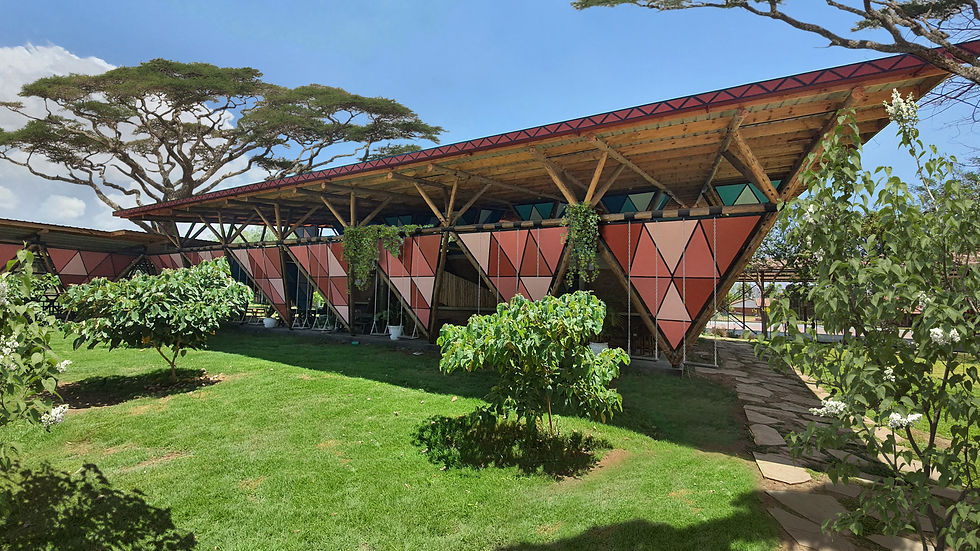
Overhangs and eaves sized to block high summer sun but allow lower winter sun
Vertical fins or louvers on east and west façades to cut low-angle rays
Planting trees and shrubs near windows to provide natural shade and cool the air
Using verandas or covered walkways to shield outdoor spaces and entrances
These shading solutions reduce indoor temperatures and lessen the need for air conditioning.

Choosing the Right Materials for Energy Efficiency and Cost Savings
Tanzanian construction materials play a big role in how buildings perform in the heat. Using energy efficient building materials can help regulate indoor temperatures and reduce energy use. Some effective options include:
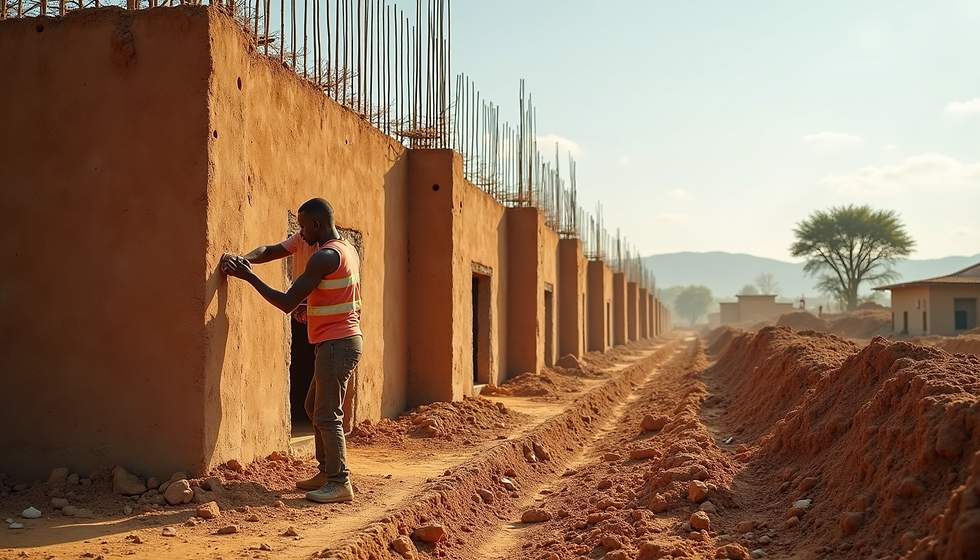
Rammed earth walls, which have excellent thermal mass to absorb heat during the day and release it at night
Locally sourced bricks and stones that keep interiors cool
Light-colored finishes that reflect rather than absorb sunlight
Insulation materials suited to tropical climates to reduce heat transfer
Using these materials not only improves comfort but can also lower construction costs by reducing the need for imported or high-tech products.
Ventilation and Natural Cooling
Good airflow is key to cooling buildings naturally. Design features that encourage cross-ventilation include:
Placing windows and vents on opposite walls to create airflow paths
Using high ceilings and clerestory windows to let hot air rise and escape
Designing open floor plans that allow air to move freely
Incorporating shaded courtyards or atriums to cool incoming air
Natural ventilation reduces reliance on fans and air conditioning, cutting energy bills.
Water Management and Roof Design
Tanzania’s wet season requires careful water management to protect buildings and maintain comfort. Roofs should be designed to:
Shed heavy rains quickly with steep slopes
Use durable, reflective roofing materials to reduce heat gain
Include gutters and drainage systems that prevent water damage and erosion
Green roofs or planted terraces can also help insulate buildings and manage rainwater sustainably.

Comments